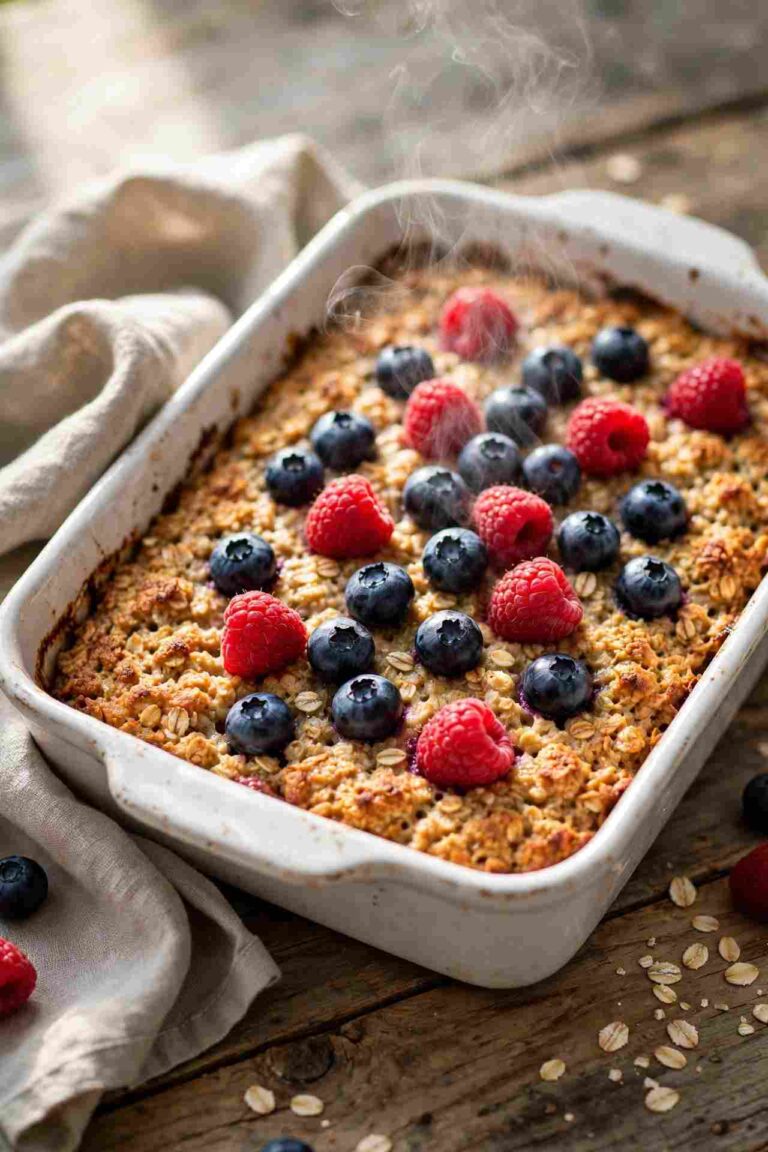
Blueberry Muffins Recipe: Moist, Easy and Perfectly Sweet
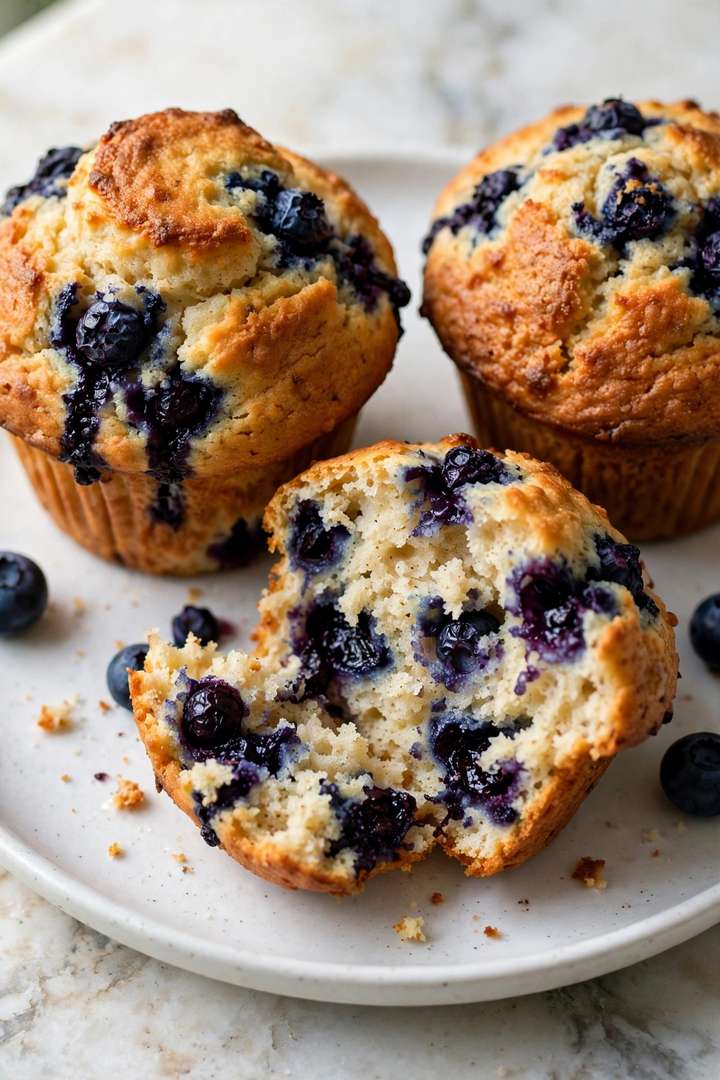
Bite into a warm muffin from this batch and you get it right away: a golden dome that gives just enough resistance, then a soft crumb packed with juicy berries that burst as you chew. The crackling top, the faint hit of lemon, the richness from real butter and sour cream, this is what a proper bakery muffin feels like, made in your own kitchen.
This blueberry muffins recipe makes 12 muffins and takes 42 minutes from start to finish, with 15 minutes of prep, 22 minutes in the oven and a 5 minute rest in the tin. It works for a weekend brunch, for lunchboxes through the week, or for a quiet morning when you want something worth reaching for at breakfast. The batter comes together in two bowls with no mixer, and a simple two-temperature bake builds the tall domes.
Why You’ll Love This Blueberry Muffins Recipe
- Tall bakery domes: Starting the oven hot forces the batter to rise fast, so you get a tall, rounded peak from a standard muffin tin.
- Moist for days: Sour cream adds richness and tenderness that butter alone cannot match, and the crumb stays soft at room temperature for up to three days.
- Two bowls, no mixer: Everything mixes by hand with a whisk and a spatula, so there is almost no washing up.
- Fresh or frozen berries: Fresh blueberries give the cleanest flavor, but frozen berries bake up just as well, with no thawing needed.
- Made for meal prep: Bake a batch on Sunday and breakfast is handled for most of the week, and the muffins freeze well for up to three months.
Read Also: Banana Bread
Ingredients You’ll Need
Good muffins start with measured ingredients and room temperature dairy, so pull the eggs and sour cream from the fridge first and let them sit while you measure the rest. Spoon the flour into the cup and level it off, because scooping packs in too much flour and dries the crumb. This blueberry muffins recipe uses plain pantry staples and one short list of fresh ingredients, and the full amounts are below.
Recipe Timing
| Detail | Value |
|---|---|
| Servings | 12 muffins |
| Difficulty | Easy |
| Course | Breakfast |
| Cuisine | American |
| Prep Time | 15 minutes |
| Cook Time | 22 minutes |
| Rest Time | 5 minutes |
| Total Time | 42 minutes |
For the Muffin Batter
- 2 cups (250 g) all-purpose flour, spooned and leveled: the structure of the muffin, and spooning keeps the crumb light instead of dense
- 2 teaspoons baking powder: the main lift for tall domes, so check the expiry date for full power
- 1/2 teaspoon baking soda: reacts with the sour cream for an extra rise
- 1/4 teaspoon fine salt: balances the sweetness and sharpens the berry flavor
- 1/2 cup (115 g) unsalted butter, melted and cooled slightly: adds richness and keeps the crumb moist
- 3/4 cup (150 g) granulated sugar: sweetens without overpowering the fruit
- 2 large eggs, at room temperature: bind the batter and give it structure
- 1 cup (240 g) full-fat sour cream: the key to a tender, bakery-soft crumb
- 1 teaspoon vanilla extract: rounds out the overall flavor
- Zest of 1 lemon: optional but strongly recommended, since it brightens the berry flavor
- 1 1/2 cups (225 g) fresh or frozen blueberries: the star of the muffin, juicy in every bite
For the Streusel Topping (Optional)
- 3 tablespoons granulated sugar: sweetens the topping and helps it crisp
- 2 tablespoons all-purpose flour: holds the crumb together on top of the muffins
- 1 tablespoon cold unsalted butter, cut into small cubes: melts into the crumb for a buttery crunch
- 1/4 teaspoon ground cinnamon: adds a warm note to the golden tops
Read Also: Egg Muffins

Allergen & Dietary Disclosure
This blueberry muffins recipe contains wheat, from the all-purpose flour, milk, from the butter and sour cream, and egg. For a dairy free version, use a plant based butter and a thick coconut or soy yogurt in the same quantities, and expect a slightly softer top. A one to one gluten free flour blend also works, though the crumb comes out a little denser. This recipe is not guaranteed safe for any specific allergy, so read every label and use the brands you trust.
Equipment Needed
- 12-cup standard muffin tin: standard cups hold the right volume for tall domes.
- Paper liners or cooking spray: liners release cleanly and keep the tops neat.
- Two large mixing bowls: one for the dry ingredients and one for the wet, so the batter folds together gently.
- Whisk and rubber spatula: the whisk blends the dry mix evenly and the spatula folds without overworking the batter.
- Measuring cups and spoons: accurate measures matter most for the flour and leaveners.
- Wire cooling rack: lets steam escape so the bottoms stay dry.
Step-by-Step Directions
Step 1: Heat the Oven and Prep the Tin
Set the rack in the middle of the oven and heat it to 425 degrees F (220 degrees C). Line a 12-cup muffin tin with paper liners, or grease each cup well with butter or cooking spray. Pull the eggs and sour cream from the fridge now so they reach room temperature by the time you need them, since cold eggs added to warm melted butter can make the fat seize into small lumps.
Step 2: Whisk the Dry Ingredients
Put the flour, baking powder, baking soda and salt in a large bowl and whisk them together for a full 20 seconds. The whisking spreads the leaveners evenly through the flour, so no muffin ends up with a concentrated pocket of baking powder. Set the bowl aside while you mix the wet ingredients.
Step 3: Mix the Wet Ingredients
In a separate bowl, whisk the melted and cooled butter with the sugar until combined. Add the eggs one at a time, whisking well after each one, then stir in the sour cream, vanilla extract and lemon zest. The mixture should look smooth, pale yellow and slightly thick. Chef’s Note: let the melted butter sit for 5 minutes after melting, since butter that is still very hot can cook the eggs before the batter even comes together.
Step 4: Fold the Wet into the Dry
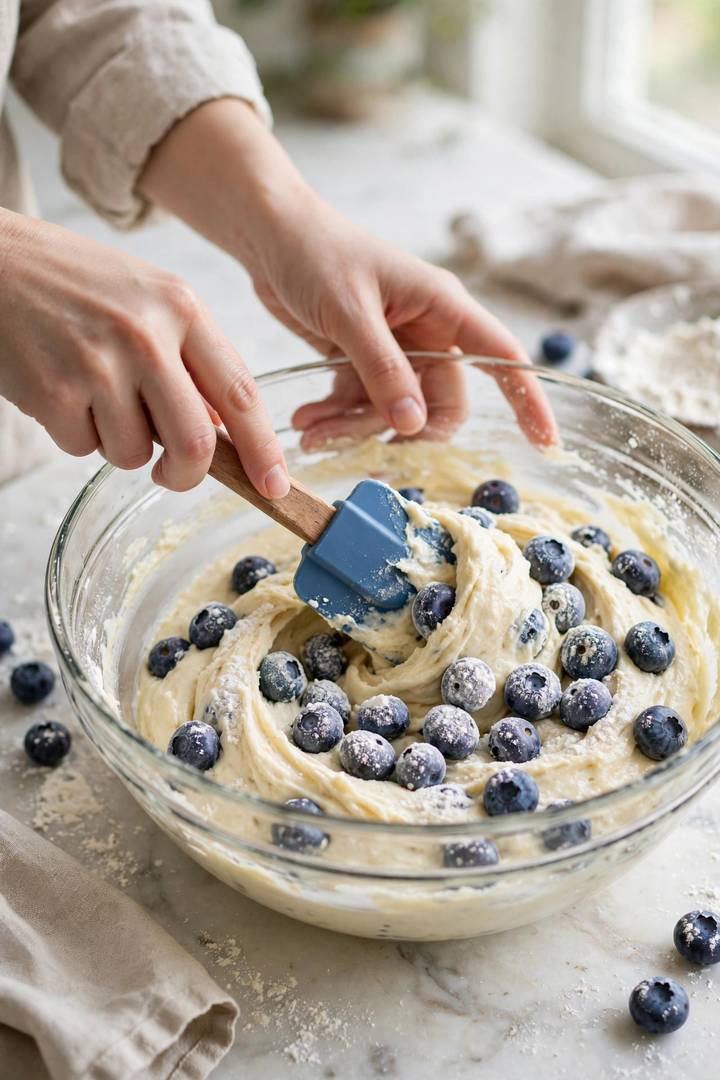
Pour the wet mixture into the dry ingredients and fold with the rubber spatula, using slow strokes from the bottom of the bowl upward. Stop the moment you see only a few small streaks of flour left, since overmixing develops gluten and turns muffins dense and rubbery. Chef’s Note: the batter will look thick and somewhat lumpy, and that is correct. A smooth, pourable batter is a warning sign here.
Step 5: Fold in the Blueberries and Fill the Cups
Add the blueberries and fold them in with two or three gentle strokes, nothing more. If you are using frozen berries, toss them in a teaspoon of flour before adding them, since the light coating slows the color bleed and helps the berries stay suspended during baking. Divide the batter evenly among the 12 cups, filling each about three-quarters full, and scatter the streusel over the top if you are using it.
Step 6: Bake with the Temperature Drop
Place the tin in the fully heated 425 degree F oven and bake for 5 minutes without opening the oven door. Reduce the temperature to 375 degrees F (190 degrees C) and continue baking for another 17 minutes, until the tops are golden and a toothpick pushed into the center of the tallest muffin comes out clean. Chef’s Note: ovens vary, so start checking at the 20 minute mark. The tops should feel firm to a light press and the edges should just begin to pull away from the liner.
Step 7: Cool and Serve
Leave the muffins in the tin for 5 minutes so the crumb sets and the tops firm up. Lift each one onto the wire rack so the bottoms stay dry, then serve the muffins warm or let them cool fully before packing them away. A light dusting of powdered sugar and a handful of extra fresh blueberries on the plate turns a plain muffin into something worth photographing.

Common Mistakes & Troubleshooting
A few small slips can leave the muffins dense, flat or soggy, but each one is easy to fix once you know what to look for. Use the table below to spot the cause and put it right.
| Problem | Cause | Solution |
|---|---|---|
| Muffins turn out dense and tough | Batter was overmixed after the wet and dry came together | Fold only until a few flour streaks remain, then stop immediately. |
| Tops stay flat with no dome | Oven stayed at one temperature the whole bake | Start at 425 degrees F for 5 minutes, then drop to 375 degrees F. |
| Blueberries sink to the bottom | Berries were too heavy for the batter, or too many were added | Toss the berries in a teaspoon of flour first, and keep to 1 1/2 cups. |
| Crumb tastes dry | Too much flour was measured in, or the muffins overbaked | Spoon and level the flour, and start the toothpick test at 20 minutes. |
| Muffins go soggy underneath | Frozen berries were thawed first, or the muffins cooled in the tin | Use frozen berries straight from the freezer, and move the muffins to a rack after 5 minutes. |
Variations & Substitutions
- Lemon blueberry muffins: Double the lemon zest and add 1 tablespoon of fresh lemon juice to the wet ingredients for a brighter citrus note.
- Cinnamon streusel topped: Use the optional streusel topping above for a crunchier, more caramelized crown, close to a coffee shop muffin.
- Mini muffins for kids: Use a 24-cup mini muffin tin and bake at 350 degrees F (175 degrees C) for 11 to 13 minutes.
- Gluten free version: Replace the all-purpose flour with a 1 to 1 gluten free flour blend, and expect a slightly denser crumb.
- Mixed berry version: Replace half the blueberries with raspberries or blackberries, chopped down so the pieces stay a similar size.
- Dairy free version: Swap the butter for plant based butter and the sour cream for a thick coconut or soy yogurt in the same amounts.
Serving Suggestions
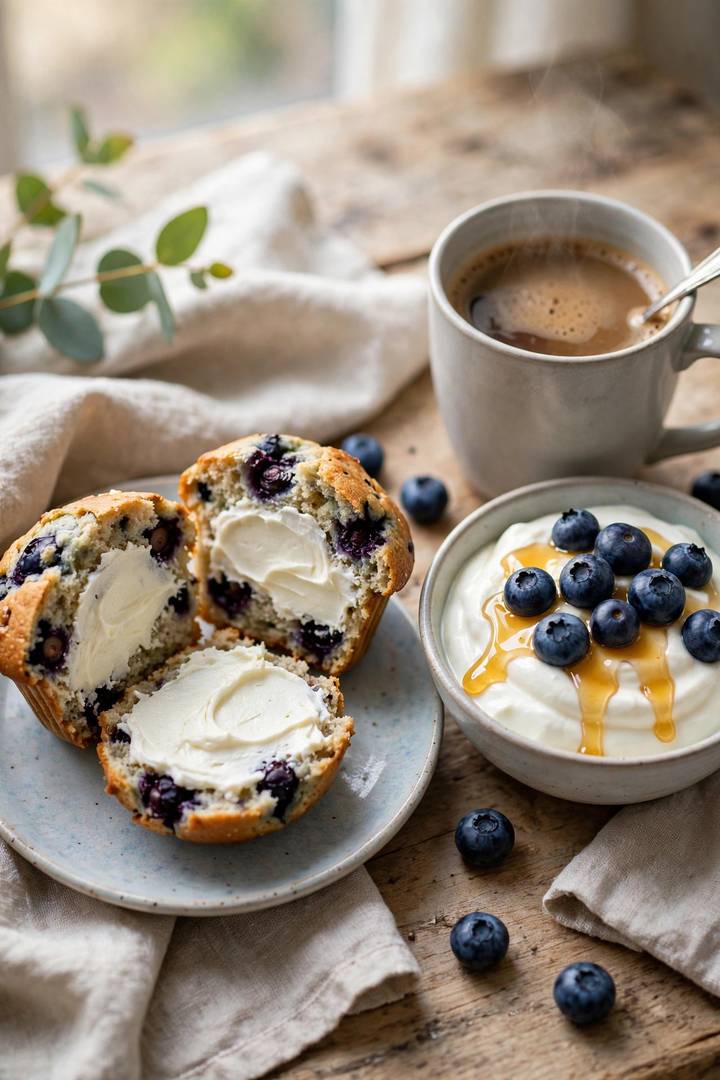
Serve this blueberry muffins recipe warm with a strong cup of coffee or milky tea, especially while the tops still have a little give when you press them. For a brunch spread, set the muffins beside a bowl of Greek yogurt with honey and fresh sliced fruit. Split a muffin in half and spread it with a thin layer of cream cheese or cold butter, since the tang plays off the blueberries in a way that feels closer to dessert than breakfast. For lunchboxes, wrap individual muffins in parchment, since they hold up at room temperature for hours without crumbling.
Tips for the Best Results
- Fold only until combined: A lumpy batter with a few flour streaks bakes into a tender muffin, while a smooth batter bakes into a dense one.
- Use room temperature dairy: Cold sour cream and cold eggs do not blend smoothly into warm butter, and the batter can look curdled.
- Make ahead the easy way: Mix the dry ingredients in one bowl and the wet in another, then refrigerate the wet mix overnight and combine them in the morning.
- Store with a paper towel: Put a paper towel in the bottom of the airtight container with the muffins, since it absorbs moisture and keeps the tops from going soft.
- Fill the cups near the top for extra height: The batter has nowhere to go but up, and the same two-temperature bake builds an even taller dome.
- Coat the berries in flour: A teaspoon of flour tossed with the blueberries before folding keeps them from sinking to the bottom of the cups.
Storage Tips
Refrigerator
Let the muffins cool fully, then keep them in an airtight container in the fridge for up to 6 days. The paper towel trick helps here too, since it catches moisture and keeps the tops from going sticky. Let refrigerated muffins come to room temperature before eating, since cold muffins can feel dry even when they are not.
Freezer
Muffins freeze well for up to 3 months. Let them cool completely, wrap each one individually in plastic wrap, and place them in a labeled zip-top freezer bag. Thaw one at room temperature for about 1 hour, or microwave straight from frozen on medium power for 45 to 60 seconds.
Reheating
Wrap a muffin in foil and heat it in a 325 degree F (160 degrees C) oven for 8 to 10 minutes, which restores the dome texture without drying out the crumb. For a single muffin, cover it with a damp paper towel and microwave on medium for 20 to 30 seconds.

Nutrition Information
Nutrition values are approximate and may vary based on brands and portion sizes.
- Calories: about 265 per muffin
- Protein: about 4 g per muffin
- Carbohydrates: about 39 g per muffin
- Fiber: about 1 g per muffin
- Sugar: about 19 g per muffin
- Fat: about 10 g per muffin
- Saturated fat: about 6 g per muffin
- Cholesterol: about 55 mg per muffin
- Sodium: about 155 mg per muffin
Why This Recipe Works
This blueberry muffins recipe works because the bake starts hot and then drops. The first 5 minutes at 425 degrees F create steam that pushes the batter upward and locks in the dome before the center has time to set, and the lower temperature that follows bakes the middle through without burning the tops. Sour cream does the other half of the work: its fat and acidity keep the crumb tender for days, while the baking soda reacts with it for an extra lift.
The 5 minute rest in the tin matters more than it looks. It lets the crumb set so the muffins lift out cleanly, and the tops firm up instead of collapsing. I have seen this work well in my own kitchen: muffins pulled straight from the tin steam themselves soft on the rack, but after that short rest they hold their dome and stay moist inside, with the berries still juicy in every bite.
Read Also: Butter Cookies
Frequently Asked Questions
Can I make this blueberry muffins recipe ahead of time?
Yes, you can bake the muffins up to 2 days ahead and store them at room temperature in an airtight container. For the freshest result, mix the dry ingredients in one bowl and the wet ingredients in another, refrigerate the wet mix overnight, and combine and bake in the morning. You can also bake and freeze a full batch up to 3 months ahead, then thaw individual muffins as needed.
Why did my blueberry muffins turn out dense?
Dense muffins usually come from overmixing the batter. Once the wet and dry ingredients meet, fold with slow strokes and stop the moment only a few flour streaks remain. A thick, lumpy batter is correct here, while a smooth, pourable batter bakes into a tight, chewy crumb. Too much flour, scooped straight from the bag instead of spooned and leveled, can also dry the crumb out.
Can I use frozen blueberries instead of fresh in this blueberry muffins recipe?
Yes, frozen blueberries bake up just as well, and you should use them straight from the freezer with no thawing. Thawed berries release too much liquid and can make the batter waterlogged. Toss the frozen berries in a teaspoon of flour before folding them in, since the coating slows the color bleed into the batter and helps the berries stay suspended during baking.
How do I know when the muffins are done?
Look for three signs together: deep golden tops, edges that pull slightly from the liners, and a top that springs back under a gentle press. A toothpick pushed into the center of the tallest muffin should come out clean. Start checking at the 20 minute mark, since ovens vary, and pull the tin once the signs agree, because carryover heat finishes the crumb during the 5 minute rest.
Can I make this blueberry muffins recipe dairy free?
Yes, swap the butter for a plant based butter and the sour cream for a thick coconut or soy yogurt in the same quantities. The muffins will still bake up tender, though the tops may be a little softer than the dairy version. If you do not have fresh lemon, skip the zest or use 1/4 teaspoon of lemon extract, and check that your baking powder is labeled dairy free if that matters for your table.
Why did my blueberries sink to the bottom?
Berries sink when they are too heavy for the batter or when too many were added. Keep to 1 1/2 cups of berries, and toss them in a teaspoon of flour before folding them in, since the light coating helps them stay suspended. Frozen berries also sink less than fresh ones, because they are firmer when they go in. Fold the berries in with only two or three gentle strokes, since stirring them hard breaks them and thins the batter.
Conclusion
This blueberry muffins recipe is the kind of bake that earns a regular spot in your week. Two bowls, a short bake and a simple temperature trick give you tall golden domes with juicy berries in every bite, and the muffins stay moist for days, so one batch covers breakfasts well past the weekend.
Bake them on a Sunday and pack them for weekday mornings, or build a fresh tray when friends drop by and you want something warm on the table. Serve them plain, split with cream cheese, or dusted with a little powdered sugar, and enjoy every bite.
Blueberry Muffins
Ingredients
Method
- Step 1: Heat the Oven and Prep the Tin: Heat the oven to 425 degrees F (220 degrees C), line a 12-cup tin with paper liners, and let the eggs and sour cream reach room temperature.
- Step 2: Whisk the Dry Ingredients: Whisk the flour, baking powder, baking soda and salt in a large bowl for a full 20 seconds so the leaveners spread evenly.
- Step 3: Mix the Wet Ingredients: Whisk the cooled melted butter with the sugar, add the eggs one at a time, then stir in the sour cream, vanilla and lemon zest until smooth.
- Step 4: Fold the Wet into the Dry: Fold the wet mixture into the dry with slow spatula strokes, stopping while a few flour streaks remain.
- Step 5: Fold in the Blueberries and Fill the Cups: Fold the berries in with two or three gentle strokes, divide the batter among the cups, and scatter the streusel on top if using.
- Step 6: Bake with the Temperature Drop: Bake at 425 degrees F for 5 minutes, then drop to 375 degrees F (190 degrees C) and bake 17 minutes more until golden and a toothpick comes out clean.
- Step 7: Cool and Serve: Rest the muffins in the tin for 5 minutes, move them to a wire rack, and serve warm or cooled.